Luckenbill Crossing Sign Dedication Ceremony
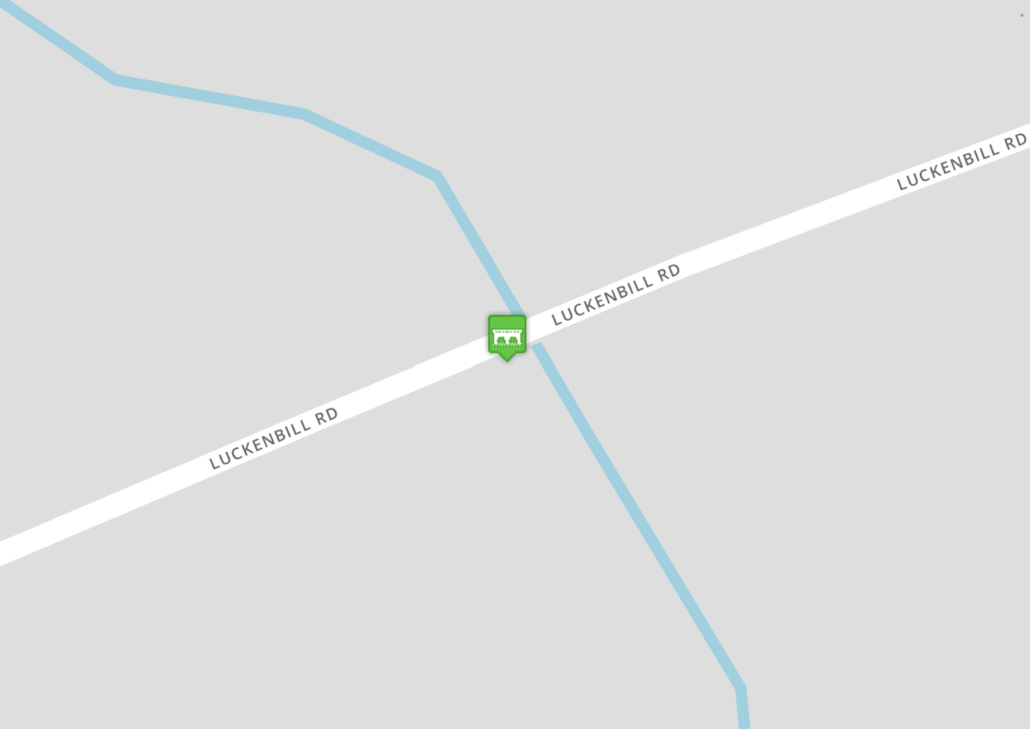
You are invited to the dedication ceremony for an interpretive sign honoring the Luckenbill Crossing of the Touchet River north of Walla Walla on Luckenbill Road at 2 pm on Sunday, July 26.
The site features the Luckenbill Cabin, built in 1874 by Martin Luckenbill, as well as the geology of the area, the wildlife along the river including a herd of moose, and the historic events of 1855 when Oregon Mounted Volunteers marched toward a Walla Walla Indian village just upstream from the site with Walla Walla Chief Peopeomoxmox and several of his tribal members as hostages.
Peopeomoxmox was known for his friendly relations with the employees of the Hudson’s Bay Company trading post at Wallula and other newly arrived Europeans until 1855. After the Walla Walla Treaty Council that year established reservations for many of the inland Indian Tribes, the Yakima-Walla Walla Indian War broke out after whites began coming into the Indian territories before the treaties were ratified.
After Walla Walla Indians sacked and burned a portion of the Wallula trading post, Oregon Mounted Volunteers marched from the Willamette Valley in order to punish them. On December 5, 1855, Peopeomoxmox and fifty of his warriors waving a white flag of truce approached approximately 200 Oregon Mounted Volunteers near where Lewis and Clark camped downstream on the Touchet River, seeking to delay the soldiers and protect the Walla Walla village, which was just upstream from the Luckenbill site. Though Peopeomoxmox promised to return the trade goods from the Fort and to provide food for the hungry Volunteers at his Walla Walla village, the Volunteers insisted that the Chief and five of his followers become their hostages, which they agreed to do.
On their way to the Walla Walla village the Volunteers became fearful of a surprise attack in the narrow gorge of the Touchet just above Luckenbill. After waiting to go to the village until the next day, the militia found it deserted, and rode back with their hostages to their base camp at the confluence of the Touchet and Walla Walla Rivers.
On December 7, when the Volunteers crossed the Touchet to begin a march up the Walla Walla Valley to establish a permanent fort on the ruins of the Whitman Mission, they became engaged in an eight-mile running battle with warriors from a variety of Tribes. This fighting continued for four days in what became known as the Battle of Walla Walla, the longest battle in Washington State history. On the first day of the fighting Peopeomoxmox and four of the other hostages were killed. Though the Volunteers were running low on ammunition, on the fourth day reinforcements arrived from Fort Henrietta on the Umatilla River, and the warriors finally withdrew.
Speakers at the ceremony will include naturalist Mike Denny, geologist Bob Carson, historian Sam Pambrun, Rep. Skyler Rude, who obtained a state grant for the Walla Walla 2020 Historic Sites and Markers Project which has placed the sign, and Walla Walla 2020 coordinator Dan Clark.
Following the talks, the event will feature a tour of the historic Luckenbill Cabin as well as a ribbon-cutting at the sign.
Additional details regarding Luckenbill Crossing as well as other Walla Walla 2020 history sites can be found on the web at ww2020.net/history-websites, or from Dan Clark at www.danielnclark12@gmail.com, 509-629-2791.